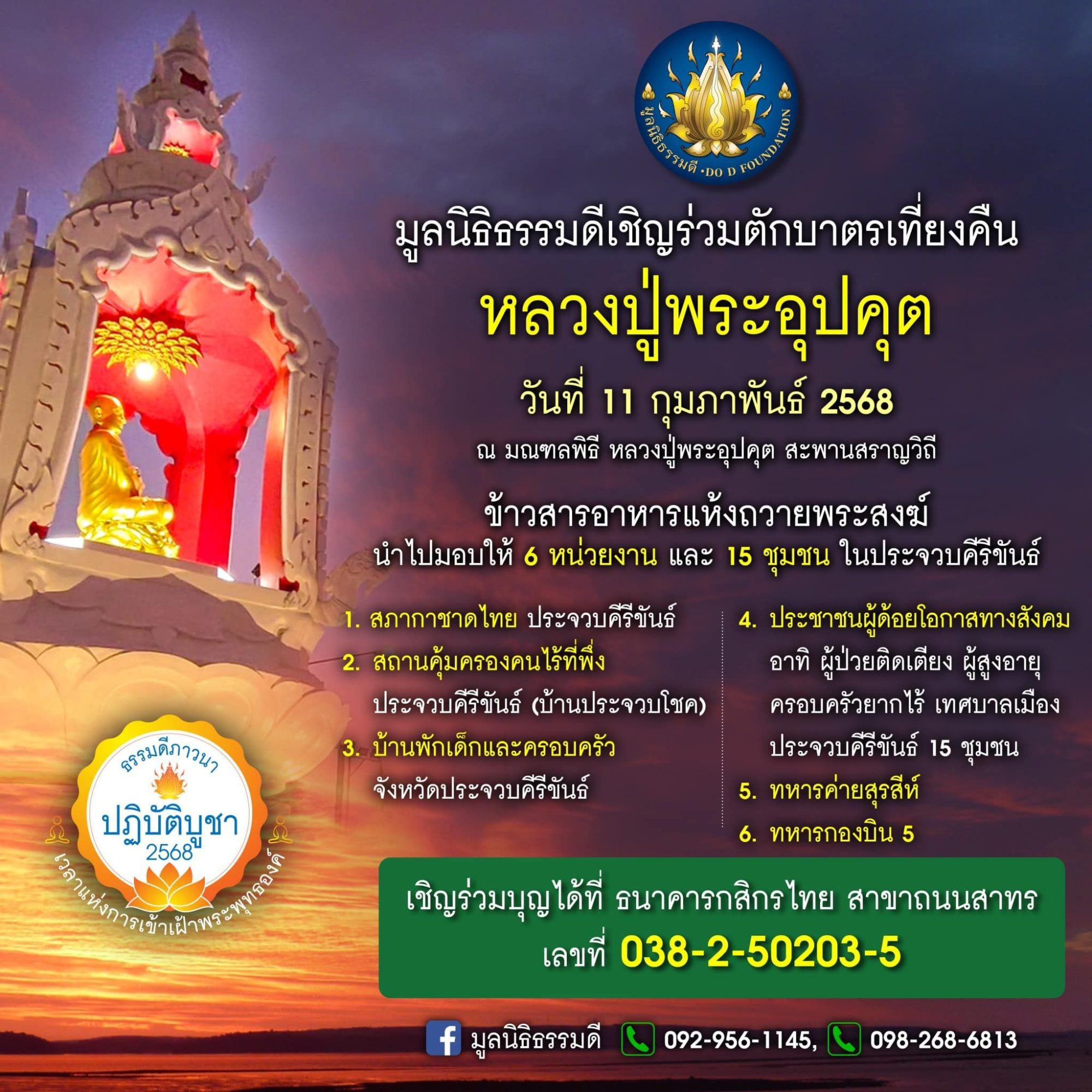
Prachuap Khiri Khan is set to host its annual Midnight Alms-Giving Ceremony on 11 February 2025, offering a unique cultural experience that stands apart as the only seaside event of its kind in Thailand.
The ceremony, known as Tak Bat Thep Phut Raek, follows the Lanna tradition of Full Moon Wednesday, or Peng Pud, which occurs when a full moon coincides with a Wednesday.
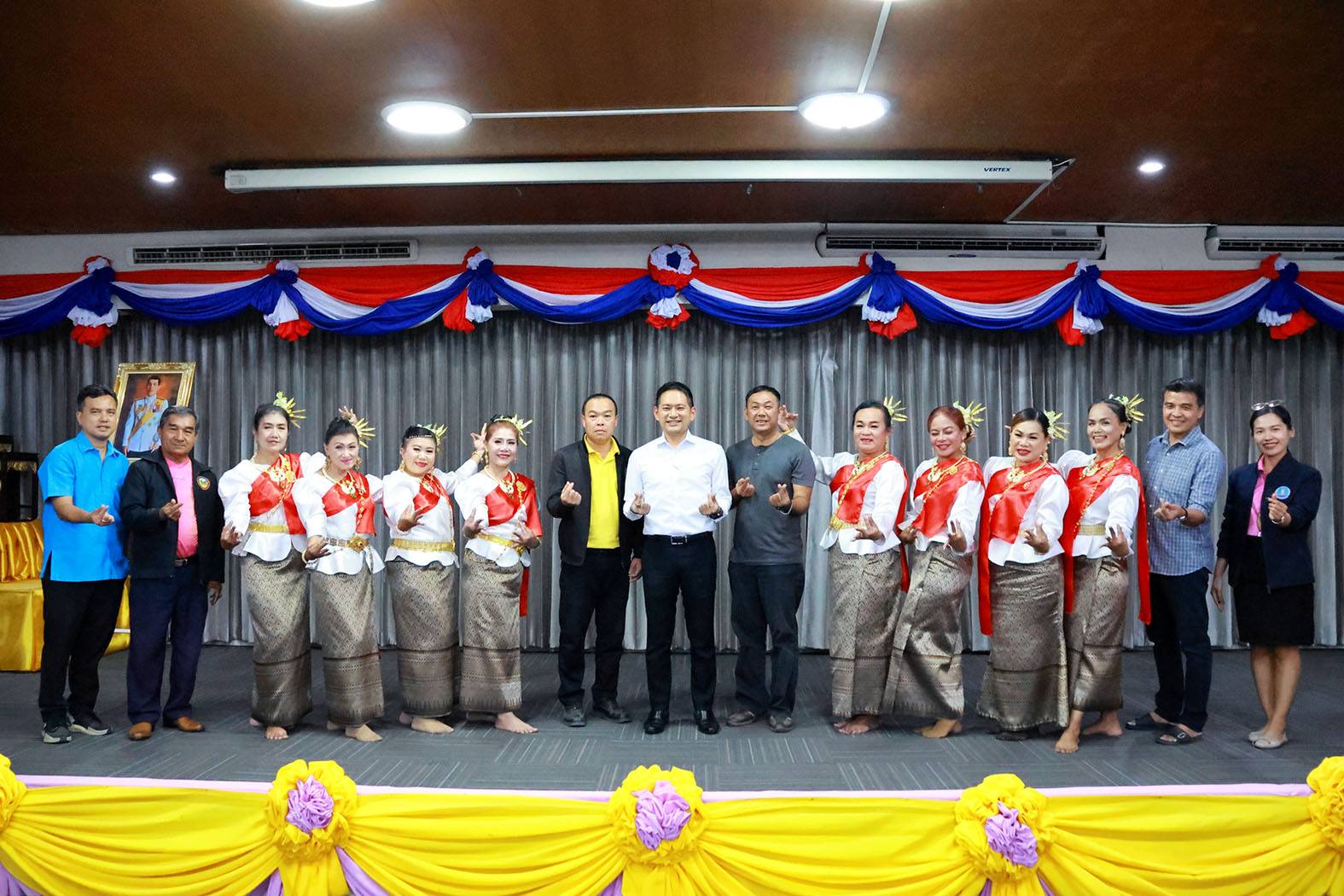
Mayor Kamon Kaewtate presided over a preparatory meeting on 4 February at the Prachuap Khiri Khan Municipal Office, bringing together relevant agencies to finalise plans for the event.
The ceremony is rooted in a long-standing Buddhist tradition associated with Phra Uppakut, a revered enlightened monk believed to reside at the bottom of the ocean. According to legend, Phra Uppakut emerges in the form of a young novice monk to bless devotees who offer alms. Many Buddhists believe that those who participate in the ceremony will receive prosperity, good health, and longevity.
The event will take place at midnight on 11 February, with a procession of 40 monks and novices collecting dry food offerings from devotees along the Saranwithi Bridge.
The procession will also feature a group of ethnic Mon people carrying a palanquin with an ancient Phra Uppakut statue, symbolising the monk’s legendary emergence from the ocean depths. The ceremonial route will extend more than 500 metres, recreating this mythical journey.
In addition to the alms-giving, the event will include several religious and cultural activities, such as:
- Chanting of the Uppatasanti Gatha, a Buddhist protective chant
- Meditation and the spreading of loving-kindness
- A sermon on the life and significance of Phra Uppakut
- A traditional dance performance featuring over 100 dancers
- A Naga (serpent) dance performance
- The beating of the victory drum in honour of Phra Uppakut
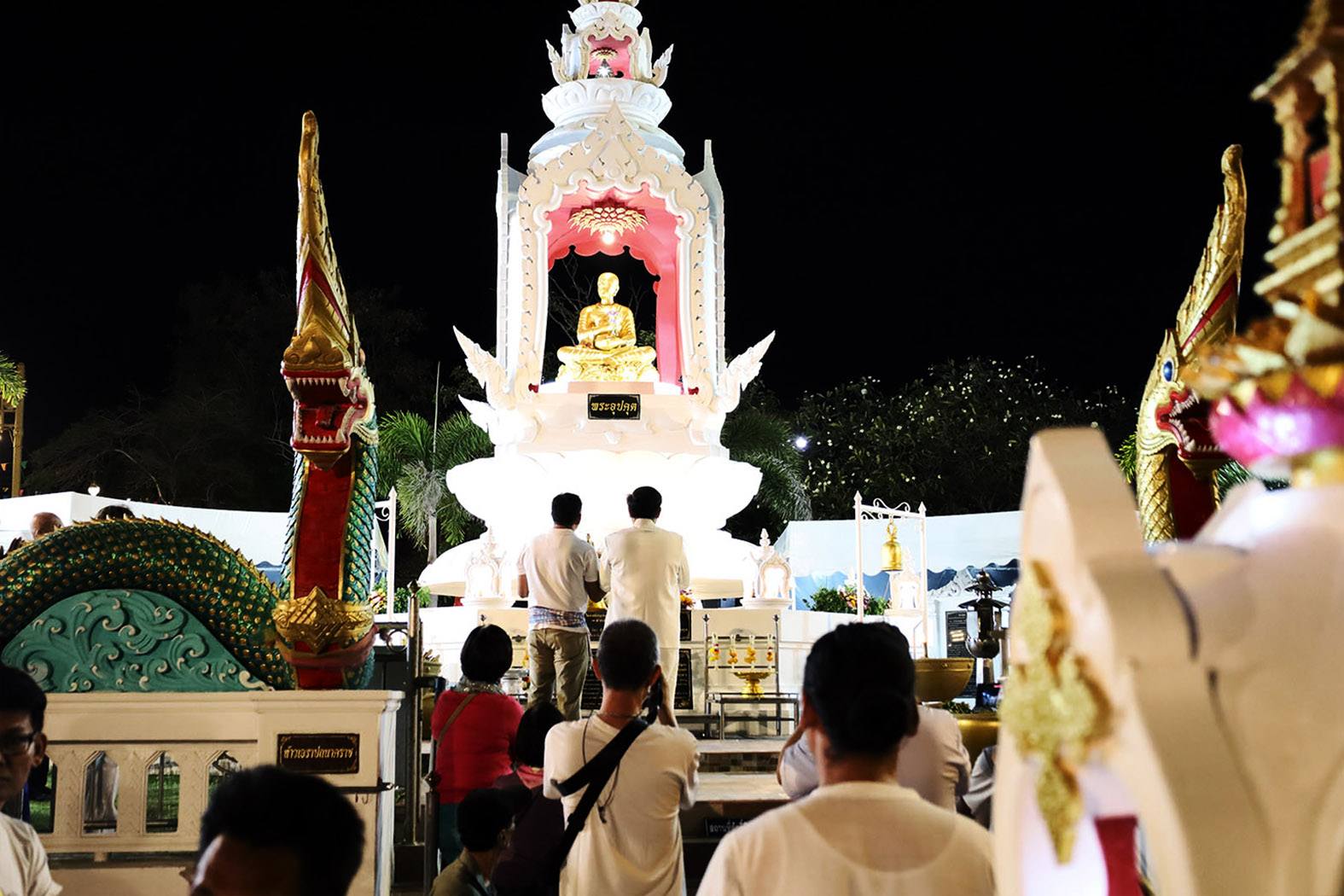
The Midnight Alms-Giving Ceremony in Ao Prachuap is the only one in Thailand where a Phra Uppakut shrine directly faces the sea, allowing devotees to present offerings as if welcoming the monk as he rises from the water.
The event attracts large numbers of Buddhist devotees from across the country, who bring dry food offerings as part of their merit-making practice to support the monastic community and uphold Buddhist traditions.